
The Little Goat of Lublin


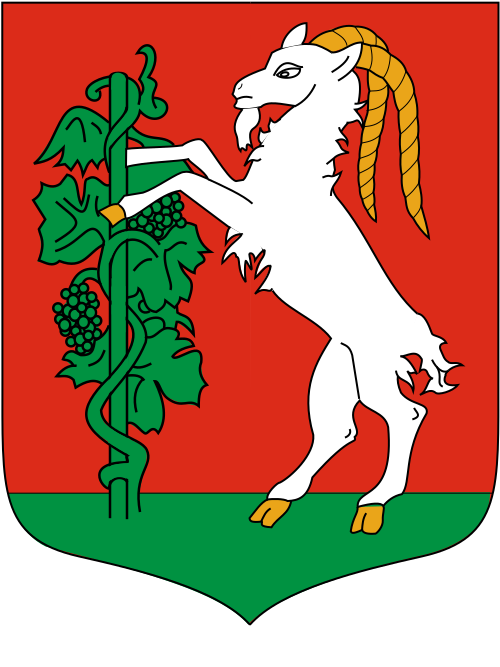
In the arms of Lublin a silver goat climbs a green vine. How a nanny goat became the sign of the city, and why it ended up a billy goat, is told in a modern Lublin town legend.


1 The goat in the ravine
Long ago, when only a small settlement stood on Czwartek hill, where Lublin would later grow, the Tatars invaded Poland. Terrified women fled with their children into a ravine and hid there. In their haste they had brought no food.
But in the ravine they found a goat. The animal shielded them from cold and hunger, and with her milk the children stayed alive until the danger had passed. In the settlement that goat was never forgotten.
2 Before Prince Łokietek
Around the year 1300 the burghers of Lublin wanted town rights. For a long time they tried to come before Prince Władysław Łokietek, but he had his hands full putting down the revolts of the burghers of Kraków and Sandomierz. When at last they were admitted, they told him of their town and of the goat that had fed so many children in the ravine during the Tatar raid.
Łokietek was delighted with the story. He promised Lublin town rights and decreed that a goat should appear in the town’s arms. The happy envoys had the arms painted at once, by a Kraków painter called Mikołaj.
3 An old billy goat among the grapes
But instead of a nanny goat Mikołaj painted an old billy goat feasting on a vine. The envoys noticed only on the way home, and they returned with heavy hearts, afraid of what their fellow townsfolk would say.
They need not have worried: the burghers were so pleased with their town rights that they only laughed at the billy goat. In time the image changed. Today the arms show a stately silver goat with golden hooves and ridged horns leaning against a vine, and in memory of it Lublin is still called Kozi Gród, the Goat Town.
- The Turned Face of Lublin · Lublin
- The Dead Witness of Piotrawin · Piotrawin
- The Black Cockerel of Kazimierz Dolny · Kazimierz Dolny

Heimweer.be · Europees Erfgoed Bewaard

