
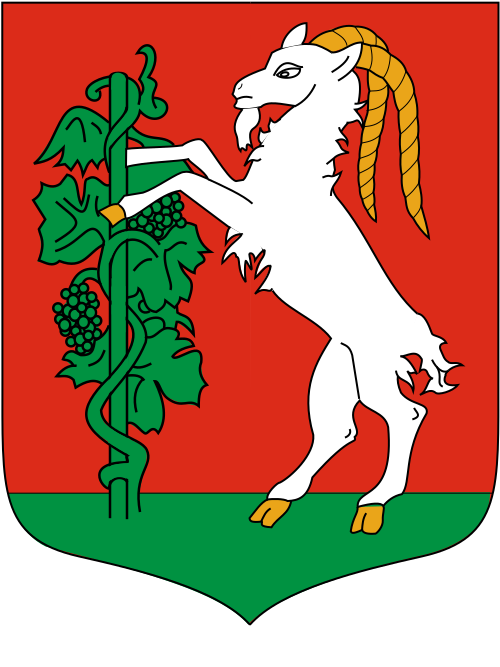
The Turned Face of Lublin


In the courtroom of Lublin stood a stone cross bearing the image of the Saviour. Above it, in great golden letters, were the words Justitias vestras judicabo, “I will judge your justice”. Whoever looked at the figure saw something strange: Christ had turned his face away, so that no one could see his features. The sculptor had not made him so. Something had happened.


1 A verdict against law and conscience
Ever since King Stephen Bathory founded the Crown Tribunal in 1578, the judges who decided the cases of the nobility gathered in Lublin every year. Among them sat lay deputies, elected by the nobles, and clerical ones, sent by the chapters. There was no appeal. What the tribunal decided was final.
Before that tribunal there once appeared a widow of modest standing. Some magnate had driven her into a corner with a lawsuit. Her case was as clear as amber, as anyone who read the papers could see. But the magnate had put every member of the tribunal under obligation to him, and so he obtained a verdict that went against law and conscience.
When the verdict was read out, the unhappy widow cried out loudly across the hall: “If the devils had judged me, the verdict would have been more just!” The deputies did feel their consciences prick a little. No one summoned her for those words, and they all pretended not to have heard. It was the end of the session. The marshal and the deputies, clergy and laymen, drove home. Only the chancery and the tribunal’s clerks stayed behind.
2 The night session
Then a whole line of carriages drew up before the tribunal. Gentlemen stepped out, some in the long kontusz of the nobility, others in the white rochet of the clergy. But tails peeped out from under their robes, and horns stood on their heads. They climbed the stairs, entered the hall and took the seats: one the marshal’s, another the president’s, the rest those of the deputies.
The clerks and the chancery understood at once that these were devils. Frightened to death, they stayed at their tables and waited to see what would happen. The devil who sat as marshal had the widow’s case called. Two devilish lawyers stepped up to the bar, one for and one against, and they pleaded with marvellous wit and a great knowledge of Polish law.
After a short recess the devilish marshal called the clerk of the Volhynian voivodeship to him, for the case came from Volhynia. It was the real clerk, not a devil. He had to sit down at the table and take up the pen. Half dead with fear, the man came closer, half shut his eyes and began to write the verdict that was dictated to him.
3 The face that turned away
The verdict went wholly in favour of the oppressed widow. And the Lord Jesus on the cross looked on in horror. The devils had been more just than the tribunal, which had been redeemed by his most holy blood and in which so many priests sat. In sorrow he turned his face away. A pious Basilian monk of Lublin received a revelation about it: Christ will not show his face again until the nation rids itself of bribery in the courts, greed among the priests and drunkenness among the nobility.
The devils signed the verdict. Instead of signatures there were burnt paw prints, each of a different shape. They laid the sheet on the carpet that covered the tribunal table, and vanished.
At the next session the tribunal found the devilish verdict exactly where it had been left, for no one in the chancery had dared to touch it. It was placed in the archives, as an everlasting memorial. And above the judges the Saviour went on hanging with his face turned away.
- The Little Goat of Lublin · Lublin
- The Dead Witness of Piotrawin · Piotrawin
- The Black Cockerel of Kazimierz Dolny · Kazimierz Dolny

Heimweer.be · Europees Erfgoed Bewaard

