
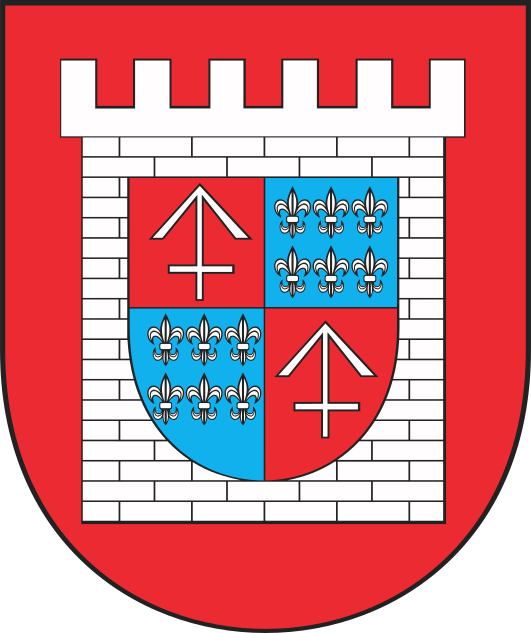
The Phantom of Rydzyna Castle


Rydzyna Castle, near Leszno in the south of Greater Poland, has a chapel, and in front of that chapel lies a room. There hangs the portrait of a woman of high rank. Who she was, who painted her and how she came to the castle, no one has ever known, and no one ever will.


1 The portrait by the chapel
There is nothing striking about the painting, apart from two things. The woman’s gaze is somewhat stern. And one of her hands lies oddly, unnaturally, with fingers that seem cramped and stiffened, as if after some violent deed. Perhaps even a criminal one.
Nothing is easier than such a guess, and there is probably not a shadow of truth in it. Yet an old, muffled rumour once went round the castle: long ago, in times beyond memory, a crime was said to have been committed in that place. People even spoke of two orphans, but so vaguely and uncertainly that hardly anyone believed it.
So it was rarely spoken of, and the tale would have fallen silent for ever, had not the phantom of a woman appeared in the castle from time to time.
This phantom is not cruel. Sometimes she is seen kneeling in the corridor, lost in prayer. Guests sleeping in the room by the chapel hear only soft footsteps at midnight. And she never disturbs the sleep of women and small children, as if mindful of their fear.
2 The night when no one sleeps
But every year there is one night that is terrible, and no one in the castle can sleep through it. Even those who see nothing, hear nothing and know nothing are seized by a feverish unrest, as if nature itself sensed something out of the ordinary.
All that night a black cloud hangs over the castle, though the sky around is clear. The trees of the garden rustle strangely, though not a breath of wind is stirring. From eleven o’clock on there is a rushing and rumbling in the chapel: distinct footsteps, and the moving of furniture.
The servants hide. Only the boldest creep closer, listen, peer in. Their faces turn pale, their hair stands on end. The whole air seems soaked in something dreadful.
Then midnight strikes. The chapel doors swing open by themselves. On the altar the candles light, with a strange, pale, blue flame. Before the altar kneels the woman, in a long white robe, with loosened hair and a face withered by grief. A graveyard cold sweeps through the room, and a priest in a chasuble comes to say mass.
He is a skeleton. His head is a skull, his hands carrying the chalice are nothing but bones. Before him walk two small skeletons in surplices: one carries the cruets, the other an enormous missal.
3 Not yet this year
The mass begins. The priest folds his hands and spreads them again, turns, kneels, reads from the missal. The two small skeletons seem to answer him, yet no voice, no sigh can be heard. Only at the elevation does the dull sound of a bone bell break the silence.
After the mass the priest sits down, and the phantom kneels to confess. How fervently she prays first, how heavily something weighs on her breast. She confesses, and the priest listens, long, very long. Tears and sighs break her words. Cold sweat streams over the priest’s skull, indignation flashes in his hollow eyes. The woman’s portrait turns completely black, and a dull thunder rolls above the castle.
The two small skeletons kneel and pray, as if pleading for mercy for the guilty one. She has confessed everything. She bows her head and beats her breast, hard, and weeps, and waits.
After a while she raises her eyes to the priest in entreaty. ‘Forgiveness!’ she says. In a voice from the grave he answers: ‘Not yet this year.’ ‘Then when, when?’ asks the phantom. The priest is silent. He only points to the two kneeling skeletons.
Then he vanishes. The candles go out, the chapel doors close. Behind them one long moan is heard, and then all at once everything is still, without a trace of what had just happened.
- The Beer of Grodzisk · Grodzisk Wielkopolski
- The Treasury of Zbąszyń · Zbąszyń
- Lubrański, the Cruel Lord of Gosławice · Konin

Heimweer.be · Europees Erfgoed Bewaard

