
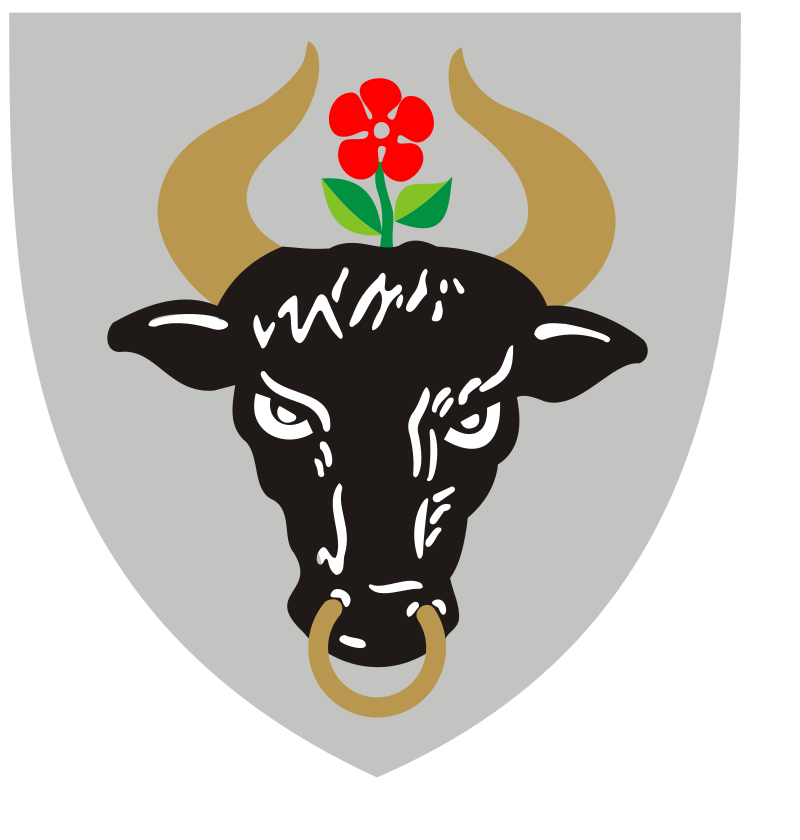
The Cry from the Lake near Chojnice


Near Chojnice (Konitz) there was once a farm called Hülfe, which means help. A strange name for a farmstead, until you hear what once happened on the lake beside it, and what has been heard calling from its waves ever since. The story belongs to the time when the knights of the Teutonic Order ruled the region; Chojnice had been in their hands since 1309.


1 The island of Saint George
Near Chojnice lies the lake that the old source calls the Lockmansee: half a mile wide and nearly two miles long, surrounded by wooded hills. On a small peninsula on its western shore there stood in olden times a fortified fief of the Teutonic Order. Its remains could later still be made out on a hill known as the Burgwall. In the nineteenth century a farm named Hülfe stood there, and a little to the north lay a small island, the Lämmerwerder.
When the castle was still standing, that island had a chapel dedicated to Saint George, and beside it a hut. In it lived an old squire. His task was simple: he was to make sure the eternal lamp in the chapel never went out. Day and night it burned before the image of the saint, and he kept it burning.
But the old man was more than a keeper of a lamp. Throughout the region he was known for his shrewd and wise sayings. Whoever needed advice rowed out to the island, and even the Order is said to have asked his opinion on important matters.
2 The boat in the night
So much respect for a simple squire roused the envy of the great. Three knights of the castle above all hated him, for he had often and earnestly rebuked them for their dissolute way of life. They resolved to take revenge.
From the castle the light of the eternal lamp could be seen across the water every night, a small point in the darkness of the island. To the three knights it was no comfort any longer, but a reproach.
They took a boat and rowed from the castle to the island, meaning to fall upon the defenceless man in secret. But the hermit saw them coming. He stood on the shore and looked at them, and under that gaze their swords sank as if their arms were paralysed. They wanted nothing more, only to get back to the castle.
They turned the boat. Halfway across it capsized. The knights screamed in terror for help, “Hilfe, Hilfe!”, but the lake swallowed them, armour and all.
3 The lamp and the treasure
The hermit was enraged at the murderers who had come for him. He seized the lamp that burned before the image of the saint and hurled it across the water into the castle. There the flames struck, and the castle sank in ruins, consumed by fire.
On that spot a farm was later built. It was named Hülfe, because ever since that time the cry “Hilfe, Hilfe!” was often heard from the waters of the lake. Whoever walks along the shore at dusk may still hear it, they say.
Another thing is told as well. On the Burgwall a few steps of a stone stair can still be seen. Whoever speaks the words “Cäsum, Cäsum, open up” near that stair will see the lowest stone rise up. Beneath it lies a treasure. Whether anyone has ever carried it off, the legend does not say.
- The Stone Bread of Oliwa · Gdańsk
- The Hot-Tempered Squire of Duninowo · Duninowo
- The Evil Spirits of Dzierzgoń · Dzierzgoń

Heimweer.be · Europees Erfgoed Bewaard

