
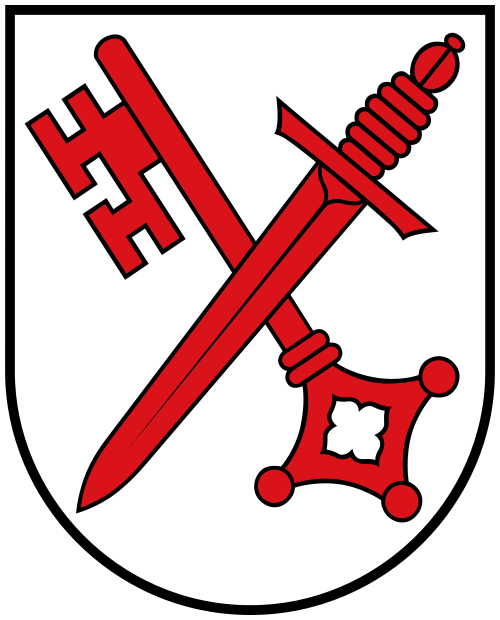
The Children of Naumburg and the Hussite Cherry Festival


Naumburg on the Saale, the old cathedral town in the south of Saxony-Anhalt, celebrates the Hussiten-Kirschfest, the Hussite Cherry Festival, every year at the end of June. Hundreds of children in white shirts parade through the streets carrying green twigs, an army camp is pitched on the festival meadow, and cherries are eaten everywhere. For five days the whole town commemorates the legend of 1432: the year in which, tradition says, not soldiers but children saved Naumburg from destruction.


1 The siege of 1432
After the Bohemian reformer Jan Hus was burned at the stake in 1415, Bohemia went up in flames. His followers, the Hussites, defeated one crusader army after another and from 1429 also swept plundering through central Germany. Towns burned, villages emptied, and whoever heard the name of Prokop the Great, the feared commander of the Taborites, barred the gates and doubled the watch.
In the spring of 1432, so the legend tells, that army appeared before the walls of Naumburg. The town was surrounded, the roads to Jena and Zeitz were cut, and soon hunger set in. For weeks the town held out. The bread ran out, then the flour, finally even the seed corn. In the council chamber two desperate opinions contended: surrender, which meant plunder and death, or holding out until starvation. The burghers prayed in the cathedral, and from the towers the watchmen looked out every morning for help that never came.
2 The children in white
Then, tradition says, the burgher and schoolmaster Wolf rose in the council. His proposal sounded like madness: send the children. Dress all the boys and girls of the town in white burial shirts, put green twigs in their hands and let them walk unarmed to the enemy camp to plead for mercy. If the heart of the enemy could still be touched anywhere, said Wolf, it would be by the innocence of children asking for nothing but to be allowed to live. The council hesitated long, but hunger decided.
The next morning the gates opened. Hundreds of children walked down the hill singing and praying and entered the Hussite camp. The astonished warriors stepped aside and led the white procession to Prokop’s tent. The commander saw the pale faces and the burial shirts, and tradition says he could not help thinking of his own children in Bohemia. He promised to spare the town.
Prokop did more than that. He had the starving children feasted on cherries that were ripening around the camp, and on bread and honey. Comforted, fed and with full hands they returned to the town that evening. Soon afterwards the army broke camp, and from every tower of Naumburg the bells of deliverance rang out.
3 Legend and festival
So Naumburg has told the story for centuries, and so it is re-enacted every year. History, however, tells it differently. A siege of Naumburg in 1432 is found in no charter or chronicle of the period. The Hussites did indeed raid through Thuringia and the Saale valley in 1429 and 1430, but they demonstrably never appeared before the walls of Naumburg. The legend surfaced only in the sixteenth century and was probably grafted onto a much older children’s and cherry festival held around the feast of Peter and Paul at the end of June.
None of this diminished the power of the story. The Hussite Cherry Festival grew into the biggest folk festival of the region and survived wars, empires and the GDR. At the end of June children in white still parade through the town, a Hussite camp is still pitched on the festival meadow, and a rider dressed as Prokop still hands out cherries. Whoever sees it understands why Naumburg has never wanted to trade its legend for the sober facts: a more beautiful rescue could not be invented.
- The Maiden of Magdeburg and the Rider on the Old Market · Magdeburg
- The Merseburg Charms · Merseburg
- The Halloren and the Salt of Halle · Halle (Saale)

Heimweer.be · Europees Erfgoed Bewaard

