
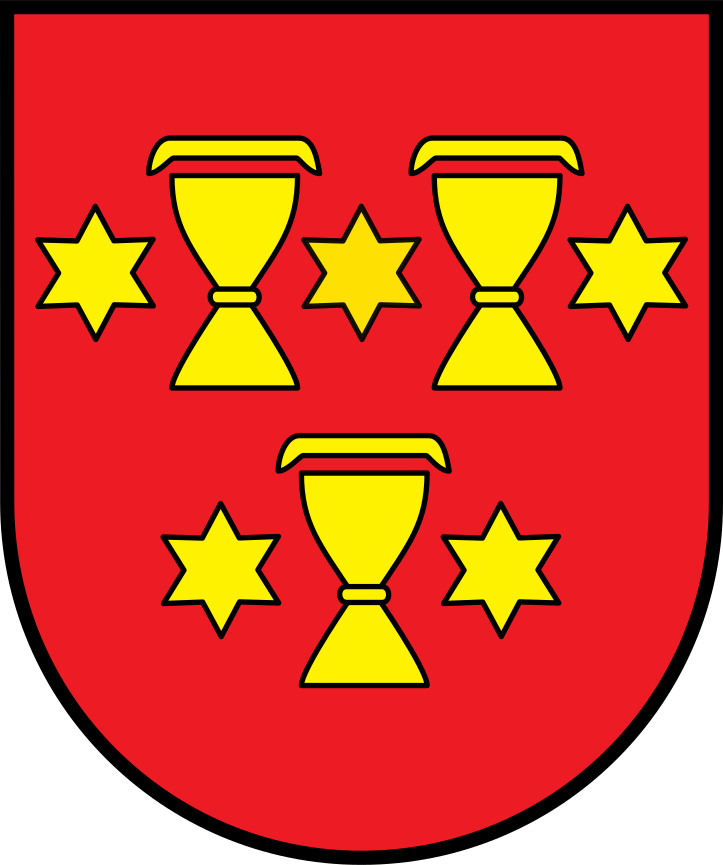
Doctor Faust and the Devil of Staufen


Staufen im Breisgau, a town of barely eight thousand inhabitants between the vineyards of the Markgräflerland and the foothills of the Black Forest, proudly bears the honorary name of Fauststadt, the Faust town. Here, at the Gasthaus zum Löwen on the market square, the historical alchemist Johann Georg Faust died around 1539. Sober chroniclers spoke of an alchemical experiment that had exploded. The common folk knew better: the devil Mephistopheles had broken his servant’s neck with his own hands, for the pact of twenty-four years had expired that very night.


1 The baron’s gold-maker
The historical Johann Georg Faust was born around 1480 in Knittlingen, in present-day Baden-Württemberg. He wandered from town to town as an astrologer, miracle healer and alchemist, cast horoscopes for bishops and princes, and boasted that he could imitate all the miracles of Christ. Cities such as Nuremberg and Ingolstadt showed him the door, and the church called him a blasphemer and a swindler. Even Martin Luther spoke of him at table as a henchman of the devil. Yet he remained in demand everywhere, for whoever was short of money was only too willing to believe that this man could make gold.
So too Anton von Staufen. Around 1539 the barons of Staufen were deep in debt: the silver mines in the nearby Münstertal, for centuries the source of their wealth, were exhausted. In his despair the baron brought the notorious alchemist to his little town and charged him with distilling gold from base metals. Faust was lodged at the Gasthaus zum Löwen on the market square, where he set up his furnaces, flasks and mysterious powders.
2 The night in room 5
For weeks strange smoke rose from the inn. Then, one night, a dull explosion shook the old house to its beams. The next morning the innkeeper found the alchemist dead in his room. The body lay twisted on the floor, the face was scorched black, and, as people whispered, his head was turned almost completely around, as if a giant hand had wrung his neck.
Sober minds spoke of a burst distilling flask and poisonous mercury fumes. But the people of Staufen knew the truth: that very night the pact had expired which Faust had signed with his own blood twenty-four years earlier. Mephistopheles himself had come through the window, had seized his debtor and broken his neck, just as it was written in the infernal contract: after the final night, body and soul were forfeit to hell.
Ever since, the room where it happened has borne a name of its own: room 5, the Faust room. Guests still told centuries later that the floorboards creaked there at night and that a faint smell of sulphur sometimes hung in the air.
3 From inn to world literature
News of the gruesome death spread quickly through the German lands. The Zimmern Chronicle, written down around 1565, records that the notorious sorcerer met his end at Staufen im Breisgau. The same chronicle relates that his corpse kept turning face down to the earth, however often it was laid on its back. In 1587 the chapbook Historia von D. Johann Fausten appeared in Frankfurt, painting the devil’s pact and the broken neck in the most chilling detail, and it became an instant bestseller.
Through the chapbook the story reached England, where Christopher Marlowe distilled his Doctor Faustus from it, and two centuries later Johann Wolfgang von Goethe cast the legend into his Faust, the most famous play in German literature. Thus the dead alchemist from an inn room in Staufen became the archetype of the man who sells his soul for knowledge, gold and power.
Staufen itself embraced its dark guest. The little town proudly calls itself Fauststadt, and every year visitors from all over the world come to the market square to see the inn where the most famous devil’s ally of world literature really died. The historical Faust never received a grave — his memorial is an inn that still welcomes guests.
- The Devil and the Wind at Freiburg Minster · Freiburg im Breisgau

Heimweer.be · Europees Erfgoed Bewaard

