
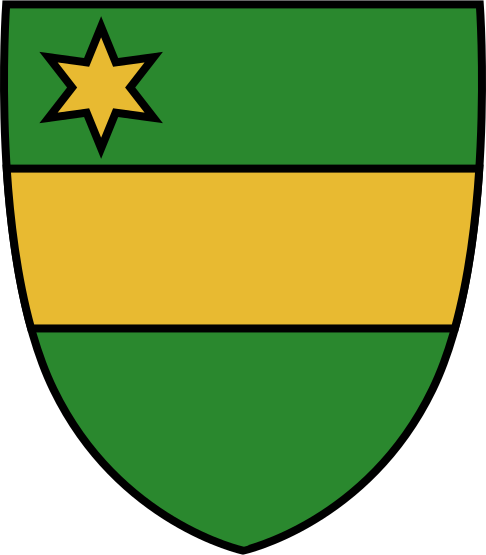
The Stone of Commons


In medieval times, when lords reigned as absolute masters, Mont-Saint-Guibert possessed a treasure more precious than gold: the Stone of Commons. This stone was no ordinary rock — it was the living symbol of popular freedom, the gathering place where inhabitants could assemble to deliberate upon their affairs.


1 The Lord's Gift
The legend tells that once the lord of Mont-Saint-Guibert, moved by the pious compassion of an old poor woman, decided to grant her an extraordinary gift. Instead of coins of silver, he placed upon the public square a white stone, detached from the very mountain from which the town took its name. "This stone shall be the guardian of your rights," said he. "As long as it remains here, none shall be able to strip away your communal liberties."
2 The Sacred Assembly
The communes of Wallonia possessed their own perrons, monoliths or columns symbolizing their franchises. That of Mont-Saint-Guibert gleamed with a particular whiteness on market days. Inhabitants gathered there not merely to trade, but to discuss together the laws and decisions that concerned them. An invisible charter seemed to protect whoever spoke the truth in the shadow of the Stone.
3 The Eternal Oath
Many centuries have passed since those days. The Stone of Commons has vanished — some scholars attribute it to wars, others to modern construction. Yet the elders of Mont-Saint-Guibert insist that its power remains alive beneath the earth, patiently awaiting the day when true liberty would blossom anew. Tradition holds that whoever discovers the original stone upon the mountainside shall fulfill a deep-rooted wish.
- The Battle of Waterloo · Waterloo
- The Chapel of Our Lady of the Afflicted · Villers-la-Ville
- Saint George of Grez-Doiceau · Grez-Doiceau

Heimweer.be · Europees Erfgoed Bewaard

