
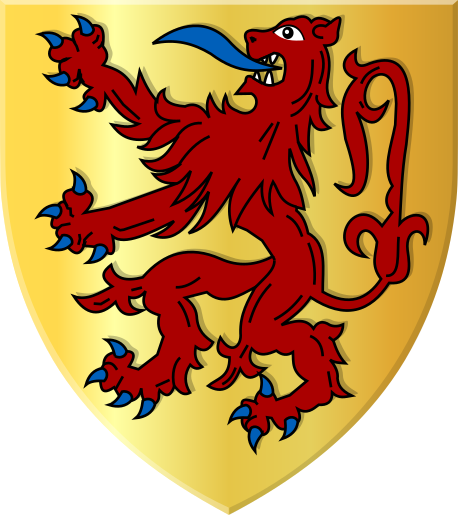
The Cursed Count


In the Haspengouw hills of Mechelen-Bovelingen stand the ruins of a castle where on autumn evenings a black coach races through the park. It is the count returning — cursed for buying holy property for a song.


1 The black goods
When the French Revolution swept across the Southern Netherlands like a storm, monasteries were dissolved, churches plundered, and ecclesiastical possessions seized by the state. In Mechelen-Bovelingen, a hamlet in the rolling hills of Haspengouw, vast estates that had belonged to the Church for centuries were put up for sale. The soil was fertile, the orchards full, the meadows green — and the price was laughably low.
The Count of Bovelingen, a man with more ambition than conscience, seized his chance. He bought the confiscated property for a fraction of its value. The people called them “black goods” — property stolen from God that would bring misfortune upon anyone who touched it. The pastor warned him. The villagers watched with bated breath. But the count laughed away their concerns and added the lands to his already considerable holdings.
Within days he was dead. No one knew exactly from what — some spoke of a sudden fever, others of a nocturnal terror that had stopped his heart. What everyone knew was that his soul would find no rest.
2 The Black Count
It began in autumn, as ghost stories always begin in autumn. On an evening when the wind howled through the bare trees and rain lashed the castle windows, every door and window flew open at once. The maids screamed. The hunting dogs, otherwise so brave, whimpered like puppies and crawled beneath the tables.
Outside, in the pitch darkness of the castle grounds, the sound of hooves rang on the cobblestones. Those who dared look through the window saw a coach — black as night, drawn by six black horses with eyes like glowing coals. On the box sat a figure in a long black cloak, face hidden beneath a hat. The coach tore through the park, along the Rode Dreef, into the forest — and vanished.
From that evening on, the Black Count returned every night. Throughout autumn and winter, his phantom coach raced through Bovelingen, always the same route, always at the same hour. The heavy chain of the castle gate broke every night as the coach thundered through. Every morning the chain lay in pieces on the ground and the blacksmith had to weld it anew.
3 The priest of Batsheers
Months passed and the villagers lived in fear. No one dared venture outside after dark. The castle servants refused to work after sundown. Even the bravest hunters avoided the forest where the coach vanished each night.
Then word came that the priest of Batsheers would come — a man renowned as a powerful converter, someone who could drive out darkness with the word of God. On Christmas Eve he arrived in full vestments, accompanied by a sexton and a procession of villagers carrying torches. The cross led the way.
At the castle, the priest spoke the formula of exorcism. The wind died down. The night fell silent. Then the figure of the Black Count appeared in the castle gateway, larger than a living man, his cloak billowing as though a storm raged that only he could feel.
“No one who has ever committed a sin can banish me,” the count spoke in a voice like rolling thunder.
4 The well
The priest did not yield. He raised the cross and prayed in a voice that filled the entire castle courtyard. The words of the exorcism echoed off the walls, and the Black Count shrank back like a beaten dog. His horses reared and snorted. The coach shuddered on its wheels.
Slowly, like a shadow dissolving in light, the figure began to fade. The six black horses turned and galloped into the park, dragging the coach behind them like a coffin on wheels. At the deep well on the edge of the castle grounds, they plunged into the depths — horses, coach, and count — and the water closed above them like a grave.
That night Bovelingen was silent. And the next night too. The Black Count never returned. The well was sealed with a heavy stone, and no one ever dared draw water from it again.
But those who walk along the Rode Dreef today toward the castle ruins pass a wooden statue of a man in a long black coat with a walking stick — carved from an oak trunk that had fallen on that very spot. The villagers call the statue “the Black Count,” and on windy autumn evenings, it is said, the stick in his hand moves.
- The Black Dog of Kwaadmechelen · Ham
- The haunted castle of Heusden · Heusden-Zolder
- The Patricide of Membruggen · Riemst

Heimweer.be · Europees Erfgoed Bewaard

